Homeowners often look for reliable methods to power their electric vehicles without relying solely on public access points. A residential charging station provides a dedicated connection point, allowing for a steady flow of electricity directly from the home’s electrical panel to the vehicle’s battery. These units act as a bridge, ensuring that the power transferred is safe and consistent, which is necessary for the long-term health of the vehicle’s electrical system. By installing residential EV charging stations, individuals gain greater control over their refueling schedule and energy management habits.
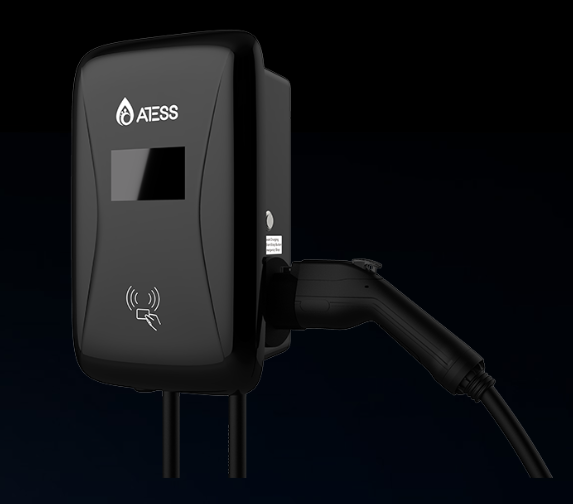
Technical Functionality and Safety
Atess engineers their hardware to handle the rigorous demands of daily vehicle charging. When a vehicle connects to a residential charging station, the internal components communicate with the car to regulate the amperage and voltage levels. This communication prevents electrical strain, ensuring that the home circuit is not overwhelmed during the process. Because these systems are designed for private use, they include built-in protections against overcurrent and thermal issues.
For those relying on residential EV charging stations, the benefit lies in the seamless integration with existing residential infrastructure. The units offered by Atess are constructed to be durable and simple to operate, minimizing the maintenance required over time. By utilizing a residential charging station, users ensure that their vehicle is ready for travel each morning without needing to seek out external facilities. This physical connection creates a more efficient routine, as the power is delivered directly through a controlled, dedicated path rather than standard household outlets.
Impact on Energy Consistency
Consistent power delivery remains a priority for any professional setup. When homeowners adopt these systems, they observe more predictable energy patterns because the load becomes a managed part of their household utility profile. Properly installed residential EV charging stations maintain this balance, allowing for stable operation even when other high-demand appliances are in use. This systematic approach to power management ensures that the electrical supply remains reliable, supporting a more stable residential energy environment as more households shift toward electric transportation.
