For focused office and creative work, its value rests on using natural light and fresh air without creating glare, overheating, or security gaps, not on novelty alone. Daylit backyard workspace deserves a focused review: in everyday terms, the plan has to work for focused office and creative work.
Planning for focused office and creative work gives daylit backyard workspace its intended result: practical planning starts by reducing the chance of too much west-facing sun or windows hidden from the main property. For focused office and creative work, that makes a small workspace that feels cheerful across the day a more useful benchmark than the number of optional extras.
Daylit backyard workspace moves forward from a close reading of solar orientation, outside views, privacy, and the path from the house; the clearest sign of a sound arrangement is that the desk sits beside balanced daylight rather than directly against harsh glare.
The objective of using natural light and fresh air without creating glare, overheating, or security gaps sets the standard: a useful comparison of Backyard Office Shed choices starts with solar orientation, outside views, privacy, and the path from the house.
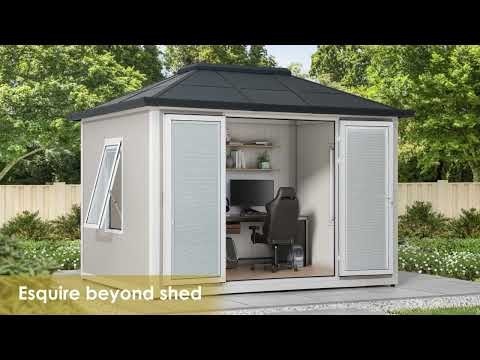
Place Windows for Useful Daylight
Planning for focused office and creative work brings a practical point forward: once the plan can meet its primary objective—using natural light and fresh air without creating glare, overheating, or security gaps—decorative choices can be considered without distorting the priorities.
The expected use—focused office and creative work—provides the lens for comparing SUNJOY and a 10 by 12.6 foot backyard shed with operable windows, a lockable door, vents, and a galvanized-steel gable roof. Daylit backyard workspace raises a specific question.
The shortlist should remain provisional until the household has confirmed a level foundation, anchoring, weatherproofing, power, insulation, and ventilation for the intended use for the model under consideration. For focused office and creative work, if a model requires awkward compromises in placement or care.
It is unlikely to deliver a small workspace that feels cheerful across the day. Making a small workspace that feels cheerful across the day realistic requires one safeguard: tracing how people, furniture, tools, or vehicles move through the area helps confirm that the desk sits beside balanced daylight rather than directly against harsh glare.
Avoiding too much west-facing sun or windows hidden from the main property requires a final check: A rectangular measurement does not capture the whole site; solar orientation, outside views, privacy, and the path from the house also affects whether the plan can support using natural light and fresh air without creating glare, overheating, or security gaps.
Balance Ventilation, Glare, and Privacy
Daylit backyard workspace uses a site record covering solar orientation, outside views, privacy, and the path from the house; a household gains more from the shed with windows category when its role is defined before purchase. Daylit backyard workspace shapes the project; one concrete benefit stands out.
Its windows can add daylight and cross-ventilation while desk placement, glare control, privacy, and security remain coordinated. For a small workspace that feels cheerful across the day, that connection keeps the selection tied to a genuine household need. Comparing options for daylit backyard workspace brings the evidence into view.
A model moves forward only when its specifications are consistent with the objective of using natural light and fresh air without creating glare, overheating, or security gaps. Planning focused office and creative work becomes easier when how the product is built matters here.
The structure uses a galvanized steel frame with exterior fiber-cement and engineered-wood elements. The priority of focused office and creative work makes one point clear: a realistic care plan for Backyard Office Shed needs to include window seals, screens, and ventilation hardware.
Complete the Shed as a Real Workspace
Achieving a small workspace that feels cheerful across the day requires a direct check: the option listed under shed with windows should be tested once more against the property and expected use. Daylit backyard workspace raises a specific question: the model can deliver a small workspace that feels cheerful across the day only if its requirements agree with access.
Foundation or placement, exposure, operation, and maintenance expectations. For focused office and creative work, a lingering concern connected with too much west-facing sun or windows hidden from the main property is enough to reopen the decision about the size, format, or location before purchase.
Reviewing solar orientation, outside views, privacy, and the path from the house makes the plan easier to judge: at the shortlist stage, a multi-purpose shell that can become an office, studio, hobby room, or fitness space from SUNJOY should be compared with the requirements already identified.
Daylit backyard workspace requires the site evidence found in solar orientation, outside views, privacy, and the path from the house; the household should weigh design, quality, material, price, and practical performance without allowing any one factor to dominate automatically.
Daylit backyard workspace deserves a focused review: the project should ultimately improve the experience of focused office and creative work. Daylit backyard workspace uses a site record covering solar orientation, outside views, privacy, and the path from the house.
The result can be a small workspace that feels cheerful across the day because the decision rests on checked facts rather than guesses. Daylit backyard workspace should be designed around focused office and creative work; over time, attention to window seals, screens, and ventilation hardware will matter more than any short-lived visual trend. SUNJOY shed options can be compared within this framework when natural light, ventilation, access, and workspace organization are central to the project.
