Modern automotive supply chains require strict adherence to dimensional tolerances when sourcing hardware for battery and powertrain modules. Achieving consistent results in large-scale production runs depends on how partners handle complex resin materials and intricate mold designs. Livepoint Tooling provides specialized manufacturing support to ensure that every component meets the demanding specifications required by current automotive platforms. By applying refined engineering practices, they deliver precision plastic parts for ev supplier requirements while ensuring that high-volume production remains stable and repeatable across different manufacturing batches.
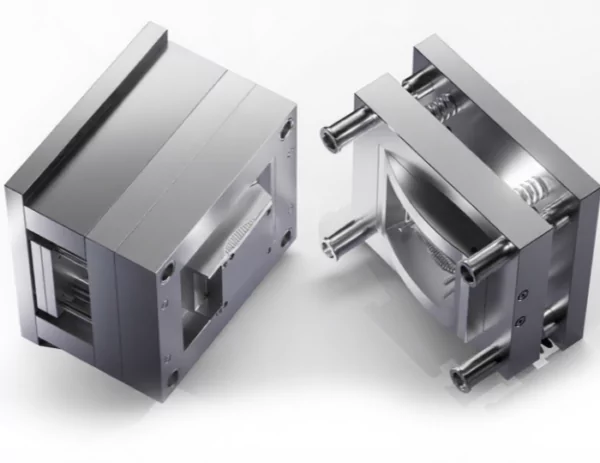
Technical Approaches to High-Performance Molding
Executing projects for the energy sector involves a thorough evaluation of material behavior under specific environmental conditions. Because electric vehicles rely on components that must withstand thermal fluctuations and vibration, the injection process requires extreme control. Livepoint Tooling utilizes automated systems to monitor pressure and temperature, which helps in creating robust parts that perform reliably within larger systems. Their methodology for injection molding for energy industry applications focuses on minimizing internal stress within the plastic, which is a common hurdle when working with high-performance resins needed for battery housings and electrical insulators.
Process Control and Quality Assurance
Reliable production depends on the synchronization between the mold design and the machine’s operational parameters. When a manufacturer needs precision plastic parts for ev supplier use, they look for partners who emphasize repeatable cycle times and precise filling sequences. By focusing on fluid dynamics and cooling efficiency, technicians can prevent common defects such as sink marks or flash. The engineering team monitors these variables to ensure that the structural integrity of the parts is never compromised, allowing components to fit seamlessly into final assemblies without additional rework or adjustments.
Effective supply chain integration also requires a clear focus on the specific needs of energy-related applications. Since the demand for lightweight, durable materials is increasing, the ability to process engineering-grade polymers is a necessary skill. Livepoint Tooling supports this by utilizing advanced CAD/CAM software to design molds that account for the unique shrinkage and expansion characteristics of modern plastics. By refining the injection molding for energy industry standards, they assist firms in meeting their production timelines while ensuring that all parts conform to rigorous automotive safety and durability requirements.
Strengthening the Supply Chain
Product development success often hinges on the reliability of the manufacturing partner and the accuracy of the delivered components. When companies need high-precision hardware, the focus shifts to technical capability and consistent output. By working closely with design engineers, manufacturing teams can identify potential issues early in the development phase, which reduces the need for mold modifications and speeds up the transition to full-scale production. This collaborative approach ensures that the manufactured parts function correctly within the complex electrical systems of modern vehicles.
Refining manufacturing workflows allows for greater efficiency when dealing with high-volume requests. Through the application of specialized knowledge, it is possible to produce components that align with the required technical parameters and durability expectations. The focus on precise material handling and process consistency provides a solid foundation for companies to grow their production capabilities. These efforts support the broader objective of delivering reliable vehicle hardware that meets the specific needs of the energy sector, ensuring that manufacturers remain capable of fulfilling their obligations to their own customers.
