Evaluating the physiological and cognitive impact of screen technology reveals significant disparities between hardware designed for casual use and hardware intended for high-stakes work. When individuals utilize professional monitors, they are engaging with components engineered for color precision and long-term reliability. Standard consumer screens often prioritize high contrast and oversaturated colors to appeal to the average viewer, but these settings can distort the accuracy of a digital project. Professional monitors utilize advanced panel technology to ensure that the light output remains consistent across the entire surface of the screen. This consistency is vital for tasks that require strict adherence to international color standards and visual uniformity during extended periods of operation.
Color Gamut and Calibration Accuracy
Scientific data suggests that the breadth of the color spectrum visible on professional monitors far exceeds that of standard retail displays. Most consumer-grade hardware only covers a basic range of colors, which might lead to significant errors during the editing process. Professional monitors are built to support 10-bit depth and wide color gamuts like Adobe RGB or DCI-P3, which provide a more comprehensive palette for the user. Because professional monitors often undergo factory calibration, they provide a stable baseline that prevents the degradation of visual data. This level of precision ensures that the work produced on the screen will translate accurately to other mediums, such as print or cinema projection, without unexpected shifts in hue.
Thermal Management and Component Durability
Internal hardware architecture differs greatly when comparing these two categories of technology. Manufacturers of professional monitors implement superior thermal management systems to handle the heat generated by high-brightness backlights. Constant heat is a primary cause of component failure in electronics, so professional monitors include specialized venting and heat sinks to extend the operational lifespan of the unit. While a consumer display might struggle with image retention or “burn-in” over time, professional monitors are designed to maintain peak performance even when the power remains on for several days. This mechanical endurance is a key factor for organizations that require hardware capable of performing under demanding schedules.
Connectivity and Professional Standards with NPC
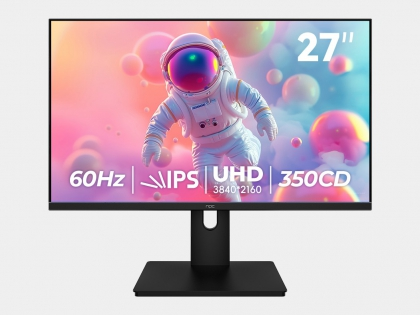
Modern workflows require a variety of input options and stable power delivery to maintain a clean workspace. High-end professional monitors often feature a wider array of ports, including DisplayPort and specialized USB hubs, to facilitate rapid data transfer. The brand NPC provides a range of screens that focus on these technical requirements, ensuring that every professional monitors user has access to a versatile interface. Since NPC integrates these functional features into their designs, they offer a reliable solution for those who need consistent performance. By providing stable hardware, NPC assists users in maintaining a high level of output. The focus placed by NPC on durability and technical standards makes their products a noteworthy option for those seeking dedicated workplace equipment.
Summarizing the differences between these types of hardware highlights the importance of choosing equipment based on specific technical needs rather than aesthetic appeal. While consumer displays are suitable for basic entertainment, professional monitors are essential for any task requiring extreme accuracy and hardware longevity. Investing in specialized tools like those from NPC can help maintain the integrity of a project from start to finish.
